

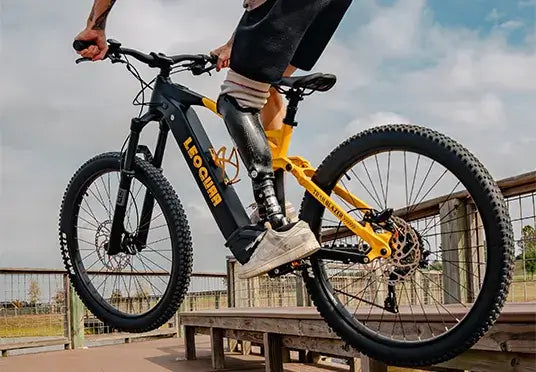


Buying Your First eBike? 9 Mistakes to Avoid
Why Buying an eBike Isn’t Like Buying a Regular Bike
Electric bikes are everywhere now — from city commutes to mountain trails to Sunday rides through the park. And if you’re ready to buy your first one, that’s exciting! But before you buy an electric bike, it’s important to understand what really sets them apart from traditional bikes — especially for first-time riders. A review by WIRED confirms this confusion — noting that many first-time buyers misjudge eBike classes, range expectations, and repair realities compared to traditional bikes.
Unlike regular bikes, eBikes come with motors, batteries, electronics, and classes that directly affect how they ride and where you can legally use them. That’s why it’s easy for first-time buyers to make choices they later regret.
So before you hit ‘buy now,’ let’s go over 8 key mistakes to avoid when buying an e-bike — and how to make sure your first ride is one you’ll actually enjoy. We’ll also touch on what makes the best electric bike for beginners — from motor size to frame style — so you can shop with more clarity.

1. Ignoring Your Riding Needs
Not All eBikes Are Made for the Same Job
Are you commuting to work, cruising bike paths, or exploring gravel trails? Fat-tire bikes offer better grip and off-road comfort but can be heavier and harder to fold or store. Folding eBikes are great for small apartments or multi-modal commutes, but may have smaller batteries and wheels. Think about where you’ll ride and how often you’ll need to carry or store your bike. As Wolff E-Bikes points out, many first-time buyers choose fat-tire models assuming they’re “more durable” — only to realize they’re unnecessarily heavy, inefficient on pavement, and a hassle to store. Likewise, choosing a light commuter bike and then expecting it to handle off-road terrain will leave you frustrated.
Tip: Be honest about how and where you'll ride most. Choose a model that matches your actual lifestyle, not just the “coolest” looking one.
🚲 Fat Tire vs Folding vs Commuter eBikes: What Fits You?
|
Type |
Pros |
Best For |
|---|---|---|
|
Fat-Tire eBike |
Stable on snow, sand, and trails. High grip. Stylish. |
Outdoor riders, rough terrain, comfort-first buyers |
|
Folding eBike |
Compact, portable, easy to store in small spaces. |
Apartment dwellers, commuters, vanlifers |
|
Standard Commuter eBike |
Lighter frame, smooth ride, urban-friendly design. |
Daily commuters, new riders, budget-conscious users |
2. Underestimating the Importance of Fit
Size and Comfort Matter More Than You Think
Buying an eBike that's too small or too tall can quickly turn excitement into discomfort. Unlike standard bikes, eBikes are heavier and harder to manage if they don’t fit properly.
Tip: Always check sizing charts. If possible, test ride before buying — or choose brands with clear geometry and adjustable components.
3. Overlooking Local Laws and eBike Classes
Not All eBikes Are Street-Legal Everywhere
In the U.S., eBikes fall into three classes. Class 1 and 2 are widely accepted, but Class 3 (up to 28mph) may be restricted in bike lanes or trails in some states.
Tip: Learn your state or city’s eBike laws before you buy. Buying a Class 3 bike in a Class 2-only area could limit where you can ride.
4. Choosing Too Much (or Too Little) Motor Power
Bigger Isn’t Always Better — But Too Small Can Be a Problem
New riders often assume “more watts = better.” But a 1000W bike might be overkill if you’re riding short city routes. On the other hand, a 250W motor may struggle on hills if you’re carrying groceries or have a longer commute.
Tip: For most beginners, a 500W motor strikes the right balance between power and efficiency.
5. Ignoring Battery Range and Charging Needs
You Don’t Want to Get Stuck Pushing Your eBike Home
Range depends on battery size, assist level, rider weight, terrain, and more. Don’t forget external factors like wind, steep hills, cold temperatures, or stop-and-go traffic — all of which can drain your battery faster than expected. REI’s electric bike guide notes that real-world range can drop by up to 30% in cold-weather cities or when riders use full-assist modes frequently. While a bike may advertise 40+ miles, real-world range can drop to 25–30 depending on conditions. Some entry-level bikes advertise 30+ miles, but real-world results can vary. While some entry-level eBikes advertise 30–40 miles per charge, real-world range often drops to 25–30 due to terrain, rider weight, and weather.
Tip: Plan for 20% less range than advertised. Choose a model with swappable or higher-capacity batteries if you plan long rides.
6. Skipping Key Features (or Paying for Ones You Don’t Need)
Bells and Whistles Sound Nice — Until They Go Unused
Integrated lights, built-in displays, and phone apps are cool. But do you really need GPS tracking or a high-end torque sensor on your first eBike? That said, some 2026 models offer impressive smart features like anti-theft alerts, GPS navigation, mobile app lock/unlock, and real-time ride diagnostics. These upgrades are becoming more common — but often come with a price premium.
Tip: Focus on basics: good brakes, comfortable saddle, solid tires, and reliable assist modes. Add accessories later if you need them.
7. Not Setting a Realistic Budget or Comparing Value
A Cheap Deal Can Cost You More Later
Most beginners focus on upfront cost — but the cheapest option often lacks range, power, or support. A $999 eBike may sound great, but if it requires $300 in upgrades or constant repairs, the value disappears fast.
Tip: Set a realistic budget based on how often you’ll ride and what features you truly need. Sometimes, spending a bit more upfront means fewer headaches later. Compare what’s included — warranty, motor class, battery size — before you buy an electric bike that looks like a “deal.”
8. Buying From an Unknown or Unsupported Brand
After-Sales Support Matters More Than You Think
It’s tempting to buy a cheap eBike from a site with flashy marketing. But what happens if your battery fails? Is there a service center? Can you get replacement parts? Electric Bike Report found that several budget models underperformed not due to poor specs — but because buyers had no access to support or couldn’t find replacement batteries within six months of purchase.
Tip: Choose a brand with a warranty, customer service, and good reviews. Bonus points for local dealer support or active online communities.
9. Not Thinking About Maintenance and Storage
eBikes Need More Care Than You Might Expect
From keeping the chain clean to storing your battery correctly in winter, eBikes require more attention than regular bikes.
Tip: Learn basic maintenance like checking tire pressure, cleaning the drivetrain, and charging safely. And make sure you have a safe, dry place to store it.
Quick Electric Bike Buying Guide for First-Time Riders
📌 5-Step Checklist: How to Buy an Electric Bike Smartly
-
Define your ride style – Commute, fitness, errands, or adventure?
-
Set a realistic budget – Include gear, service, and upgrades.
-
Pick the right motor class – Class 1, 2 or 3—what's allowed in your area?
-
Check range + battery type – Look beyond the spec sheet.
-
Research after-sales support – Is service available near you?
Still unsure where to begin? Here's a quick electric bike buying guide to help first-time riders avoid common pitfalls:
- Start with your lifestyle. Are you commuting, running errands, or exploring trails? Your riding purpose should guide everything else — from tire width to frame design.
- Choose the right motor class. Most beginners are best off with a Class 1 or Class 2 eBike (up to 20mph). They’re street-legal in more places and easier to control.
- Balance motor power and terrain. If you’re dealing with hills or carrying cargo, aim for 500W. Otherwise, a 350W or 250W motor may be enough — and more efficient.
- Check the battery range honestly. Look at your longest ride and add a 20% buffer. Swappable batteries are a bonus if you plan extended outings.
- Prioritize comfort and fit. Don’t get caught up in aesthetics. A well-fitting eBike with upright posture and adjustable components makes a huge difference.
- Stick with trusted brands. Reviews, service centers, and warranties matter — especially for new riders who may need extra support down the line.
- Don’t overspend on features. Focus on what you’ll actually use in your first year. You can always add accessories like racks or lights later.
Pro Tip: Check whether your city or state offers eBike incentives or point-of-sale rebates. In 2026, more local programs and seasonal promotions (especially around Black Friday or Earth Day) can significantly reduce your upfront cost.
As REI points out, starting with your real riding habits — not just your budget — is the smartest way to avoid regrets and choose an eBike that actually fits your life.
Electric Bike Buying Guide: How to Buy an Electric Bike That Fits You
Choosing the right e-bike means matching the model not just to terrain, but to you. Here’s how to narrow it down:
-
Short-statured or smaller riders: Look for step-through frames and 20” wheels for easier handling.
-
Heavier riders or cargo haulers: Choose reinforced frames, fat tires, and rear hub motors with higher torque.
-
Seniors or casual riders: Prioritize comfort, upright posture, and easy-to-access assist controls.
-
Adventure seekers: Go for all-terrain or mid-drive motor systems for better hill climbing and off-road balance.
There’s no single “best electric bike for beginners” — only the one that suits your daily needs best.
Final Thoughts: Ride Smarter, Not Just Faster
Buying your first eBike is exciting — and it should be. But skipping the research or getting swept up in flashy features can lead to regret. By avoiding these 9 common mistakes, you’ll not only save money and ride more comfortably — you’ll also gain confidence with every mile.


Leave a comment