





What Is the Best Affordable Electric Bike Under $1500?
Finding the Best Affordable Electric Bike
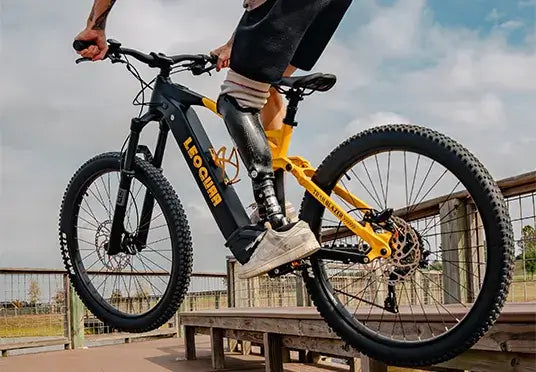
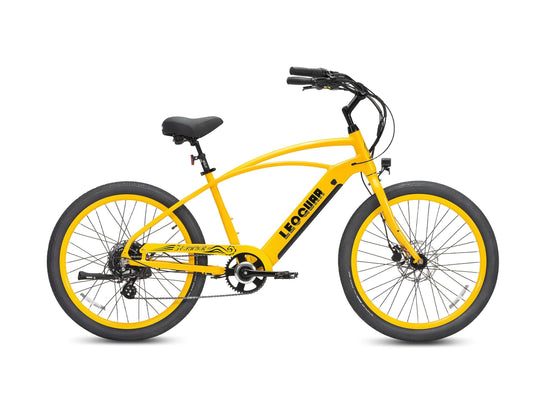
Looking for the best budget ebike can feel overwhelming. You want value and reliability without getting lost in technical jargon or overspending. We're here to cut through the noise and help you make a smart choice. For those looking for a quick answer, our top pick for the best budget ebike under $1500 is the Leoguar Fastron. It strikes an exceptional balance of power, features, and price, making it a fantastic do-it-all machine that works for most riders.
Of course, the "best" bike depends on your needs. A daily commuter has different priorities than a weekend trail explorer or an apartment dweller with limited storage. This guide is designed to empower you with the knowledge you need to choose wisely. We'll explore what makes a great e-bike in this price range, recommend top models for different types of riders, and give you a practical checklist to help you make a final, confident decision.
The $1500 Sweet Spot
The sub-$1500 price point is the sweet spot for affordable electric bikes. This is where you move beyond the absolute basics and start seeing features that significantly improve ride quality, safety, and long-term reliability.
That value jump is not just anecdotal. BikeRide’s March 2026 roundup of 241 electric bikes under $1500 draws from 596 expert reviews and 5,832 user reviews, showing how crowded this category has become and why careful spec comparison matters so much. In practical terms, the best budget ebike at this price is rarely the cheapest one on the page. It is usually the one that balances safety, braking, drivetrain quality, and ride feel most intelligently.
Understanding the trade-offs at this price is key to making a smart purchase and helps you recognize true value. It also helps you avoid potential disappointment down the road. As noted in Consumer Reports' comprehensive buying guide, focusing on key components is crucial for a satisfying and safe ownership experience.
Gains Over Cheaper Bikes
Compared to bikes under $1000, investing a bit more yields substantial upgrades. You're not just paying for a brand name; you're paying for better, safer, and more durable components that will serve you well for years.
Better Battery Quality: This is the most critical upgrade you'll see in this price range. Bikes in this tier often feature battery packs with cells from reputable manufacturers like Samsung, LG, or Panasonic. More importantly, they are more likely to have undergone rigorous safety testing to prevent fires and other hazards. Always look for a battery and electrical system certified to UL 2849 or UL 2271 standards to ensure protection against fire hazards.
For any affordable electric bike you’re considering, the easiest rule is to verify that the UL certification applies to the full e-bike electrical system—not just a single battery component listed in marketing copy.
Improved Brakes: You'll see a significant shift from mechanical to hydraulic disc brakes in this price range. We find this to be a non-negotiable upgrade for safety and performance. Hydraulic systems offer far superior stopping power with less hand effort and require less frequent adjustment than their mechanical counterparts.
That upgrade matters even more in the real budget market because it still is not universal below $1000. Ebike Escape’s 2026 affordable ebike testing calls out hydraulic disc brakes as one of the clearest signs that a low-cost model is trying to deliver real everyday value instead of just chasing a headline price. For most riders, that makes brakes one of the smartest places to spend a little more.
More Reliable Drivetrains: While still in the entry-level category, you'll find derailleurs and shifters from trusted brands like Shimano or SRAM. These components are built to last longer and provide more consistent shifting than the generic parts found on ultra-cheap bikes.
Better Sensors: Most sub-$1000 bikes use a basic cadence sensor, which delivers power in an on/off fashion as soon as you start pedaling. In the $1000-$1500 range, the more sophisticated torque sensor starts to appear more frequently. It measures how hard you're pedaling and delivers motor assistance proportionally, resulting in a much smoother and more intuitive ride that feels like a natural extension of your own effort.
Trade-offs vs. Premium Bikes
While a $1500 e-bike offers fantastic value, it's also important to know what you're giving up compared to models costing $2000 or more.
Mid-Drive Motors: The vast majority of affordable electric bikes use hub-drive motors, which are located in the hub of the rear or sometimes front wheel. They are reliable and powerful, but premium e-bikes often feature mid-drive motors from brands like Bosch, Brose, or Shimano STEPS located at the pedals. Mid-drives offer better weight distribution and efficiency, especially on steep hills and technical terrain.
Advanced Suspension: If a sub-$1500 bike has suspension, it's typically a basic coil-spring fork that does the job but isn't adjustable. More expensive bikes feature lighter and more adjustable air-sprung forks that provide superior performance on rough terrain.
Lighter-Weight Frames: To keep costs down, affordable e-bikes are generally heavier, often weighing between 50 and 75 pounds. Premium bikes use more advanced aluminum alloys or carbon fiber to shed significant weight, making them easier to handle and transport.
Premium Components: Features like high-end color displays, seamless app integration with advanced ride tuning, and fully integrated lighting systems are less common in this budget category. You'll also see fewer premium touches like internal cable routing and high-end grips and saddles.
Our Top Picks Under $1500
We've ridden, tested, and analyzed dozens of models to find the best budget ebike options available today. Our selections are based on a combination of real-world performance, component quality, brand reputation, and overall value. Here are our top recommendations for 2025. For riders trying to stay under $1,000, a truly affordable electric bike needs to prioritize proven battery safety, reliable brakes, and a frame that won’t feel disposable after one season.'
Conclusion: for most shoppers, the best ebike under $1000 is not the one with the biggest motor number on the product page. It is the one with safe battery certification, dependable brakes, and a frame you can trust for daily riding. In this price range, a best budget ebike should focus on core reliability first. Fancy extras matter less than solid fundamentals that hold up over time.
| Bike Model | Price (Approx.) | Best For | Key Feature |
|---|---|---|---|
| Leoguar Fastron | $1,489 | Trail & Off-Road Power | 750W Motor + 8-Speed + 60-Mile Range |
| Aventon Soltera.2 | $1,399 | Urban Commuting | Smooth Torque Sensor |
| Ride1Up Turris XR | $1,295 | Light Trails & Gravel | 100mm Suspension Fork |
| Ride1Up Portola | $995 | Compact Storage | Folds in Seconds |
Best Overall: Leoguar Fastron Fat Tire Ebike
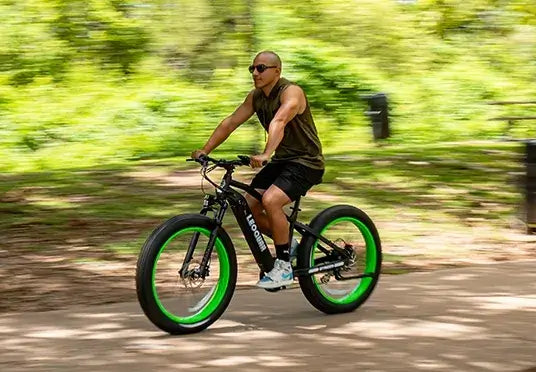
The Leoguar Fastron redefines what an all-terrain ebike can offer under $1,500. With its rugged fat tires, powerful motor, and premium frame design, this trail-capable beast handles daily commutes and off-road escapes with equal confidence.
Specs: 750W Rear Hub Motor, 720Wh Battery (48V 15Ah), Shimano 8-Speed Gearing, Tektro Hydraulic Disc Brakes, 28 mph Top Speed (unlockable), 70 lbs. The bike features a cadence sensor and CANbus LCD display with anti-theft security and USB charging.
Why It Makes the Cut: The 750W motor and 26"x4.0" fat tires deliver exceptional control and stability across sand, snow, gravel, and pavement. With up to 60 miles of range, it’s built for serious riders who need extended endurance. Unlike many budget ebikes, it includes a smart LCD screen with waterproof protection, advanced diagnostics, and a secure passcode system. The front suspension and ergonomic build provide comfort for a wide range of rider heights (5’3”–6’5”). While heavier than some models, its performance-to-price ratio is hard to beat.
That said, a fat-tire affordable electric bike will almost always trade extra stability and comfort for extra weight, so it’s worth thinking about stairs, car racks, and daily handling before choosing this style.
Who It's For: The rider who wants one powerful ebike for everything—from rugged weekend rides to daily urban transport. Ideal for those who demand trail-worthy toughness without sacrificing commuter convenience.
Best for Commuting: Aventon Soltera.2
The Aventon Soltera.2 is a sleek and stylish e-bike that prioritizes ride quality over raw power. It looks and feels more like a traditional bicycle, making it a joy to ride on city streets and bike paths without the bulky appearance of many e-bikes. For daily commuting, an affordable electric bike feels far more practical when it’s ready for real weather and real errands—think lights, fenders, and the ability to add a rack without complicated aftermarket work.
Specs: 350W Hub Motor, 36V 9.6Ah Battery, Hydraulic Disc Brakes, 20 mph Top Speed (Class 2), 46 lbs. The lighter weight makes it much more manageable for daily use and storage.
Why It Makes the Cut: The standout feature is its torque sensor, which is rare to find at this price point. During our rides, the torque sensor delivered a remarkably natural and intuitive ride feel that bikes with cadence sensors simply can't match. It also includes integrated headlights and taillights that function as turn signals, a huge safety bonus for urban riding. The 350W motor is efficient but may feel underpowered for riders in very hilly areas or those who frequently carry heavy loads.
Who It's For: The urban commuter who values a lightweight design, excellent ride quality, and a clean, minimalist aesthetic that won't look out of place in professional settings.
Best for Light Trails: Ride1Up Turris XR
If your idea of fun involves exploring beyond the pavement, the Ride1Up Turris XR is an excellent entry point into the world of electric mountain bikes. It offers a component package that is surprisingly capable for its price, bridging the gap between road and trail riding.
Specs: 750W Hub Motor, 48V 15Ah Battery, Hydraulic Disc Brakes, 100mm Suspension Fork Travel. The larger battery provides excellent range for longer adventures off the beaten path.
Why It Makes the Cut: The combination of a 100mm travel suspension fork and hydraulic disc brakes gives you the confidence to venture onto dirt roads and non-technical trails. On gravel paths, we found the front suspension smoothed out the bumps effectively, providing a much more comfortable and controlled ride than a rigid bike. While its hub motor and overall build aren't suited for aggressive, technical singletrack, it's perfect for fire roads and beginner-level trails. The bike also performs excellently on pavement, making it a true hybrid option.
Who It's For: The adventurous rider looking to expand their horizons to include gravel paths, dirt roads, and light-duty trails without spending a fortune on a specialized affordable electric mountain bike.
Best Folding/Compact: Ride1Up Portola
For those constrained by space, a folding e-bike is a game-changer that opens up new possibilities for storage and transport.
For commuting, a folding ebike under $1000 is worth it when storage is your biggest problem and your route is mostly smooth pavement. The trade-off is that compact wheels and shorter geometry usually feel less planted at higher speeds than a full-size commuter. For city riders with limited apartment space, that compromise can still make a folding best budget ebike the smarter everyday choice.
For apartment storage or public transit, an affordable electric bike only counts as “portable” if you can actually move it comfortably—so weight and folded footprint matter just as much as motor wattage. The Ride1Up Portola packs a surprising amount of power and utility into a compact, easy-to-store package.
Specs: 750W Hub Motor, 48V 13.4Ah Battery, Hydraulic Disc Brakes, Folded Dimensions: 35" x 18" x 27", 59 lbs. The folding mechanism is well-designed and operates smoothly without compromising structural integrity.
Why It Makes the Cut: Despite its small size, we were impressed by its zippy acceleration from the 750W motor that rivals much larger bikes. It folds down quickly and has a clever design that allows it to be rolled around when folded, making transport much easier. The inclusion of hydraulic brakes at this price point on a folder is a major win for safety and performance. Its smaller 20-inch wheels and compact frame might feel a bit cramped for riders over 6'2", but most people adapt quickly to the riding position.
Who It's For: Anyone living in an apartment, an RV owner, or a commuter who needs to combine their bike ride with public transit or car travel.
How to Choose Your Bike
Beyond our specific recommendations, understanding a few key technical aspects will empower you to evaluate any e-bike you're considering. These fundamentals will help you make an informed decision that matches your specific needs and riding style.
Motor Power and Type
Most bikes in this price range use a rear hub motor that provides reliable power delivery. They are cost-effective, reliable, and provide a "pushing" sensation that many riders find enjoyable. Watts (W) is a measure of power; 500W is a great all-around choice for most riders, while 750W provides extra grunt for heavy loads or steep hills.
If you're comparing a single-speed and a geared best budget ebike, the clear answer is that geared models fit more riders. A single-speed setup keeps maintenance simple and works well on flatter city routes, but it gives up flexibility on hills and stop-and-go commutes. For most buyers under $1500, a 7-speed or 8-speed drivetrain is the better value because it makes the bike easier to live with in the real world.
Battery Range and Safety
A battery's capacity, measured in Watt-hours (Wh) or Amp-hours (Ah), is the best indicator of potential range. A higher number means more range, but actual distance depends on factors like terrain, rider weight, and assist level. Real-world range expectations also need to stay grounded in the rest of the bike’s setup. Electrek’s February 2026 value guide notes that lower-priced ebikes often make compromises in battery size, voltage, or hill-climbing power even when the claimed range looks attractive on paper. That is why a best budget ebike should be judged by usable range, not just the biggest advertised mileage number.
In real-world riding, an affordable electric bike rated for long range will still lose noticeable mileage in cold weather, on soft surfaces like sand, or when you’re carrying cargo—so it’s smart to buy with a buffer instead of chasing the biggest number on paper.
For a 20 to 30 mile commute, the stock battery on a good best budget ebike is usually enough if you ride in moderate assist levels. A battery upgrade makes more sense when you ride fast, carry cargo, or want fewer charging cycles each week. In most cases, it is smarter to buy the right battery size upfront than to chase a cheap range upgrade later that may not match the bike cleanly or safely.
However, safety is paramount and should never be compromised for cost savings. We cannot stress this enough: only buy an e-bike with a battery and charging system that is UL 2849 certified to ensure it has been tested to prevent thermal runaway and fire.
E-Bike Classifications
E-bikes in the US are typically categorized into three classes, which dictate their speed and operation. It's crucial to know your local laws, as regulations can vary significantly between states and municipalities. You can learn more about state-by-state rules from advocacy groups like PeopleForBikes.
- Class 1: Pedal-assist only (no throttle) with a maximum assisted speed of 20 mph. These bikes are allowed on most bike paths and trails where traditional bikes are permitted.
- Class 2: Has both pedal-assist and a throttle, with a maximum speed of 20 mph for both modes. Some areas restrict where these can be ridden due to the throttle capability.
- Class 3: Pedal-assist only (some may have a throttle that cuts out at 20 mph) with a maximum assisted speed of 28 mph. These are often restricted from certain bike paths and trails but are excellent for road commuting.
Brakes and Frame
Look for disc brakes as a minimum requirement for safety and performance. Hydraulic disc brakes are preferable to mechanical ones for their superior power and lower maintenance requirements. Nearly all frames in this category will be made of aluminum alloy, which provides a good balance of strength, weight, and cost compared to steel or carbon fiber. For everyday riders, a step-thru affordable electric bike can also be a smarter choice for stop-and-go commuting, because it’s easier to mount when you’re wearing work clothes or carrying a bag.
When choosing between a budget fat tire model and a commuter-style best budget ebike, the better value depends on where you actually ride most. Commuter bikes usually win on efficiency, lighter handling, and easier storage. Fat tire bikes make more sense if your routes include rough pavement, mixed surfaces, or you simply want a more stable and cushioned feel.
Pay attention to the bike's total weight if you need to carry it regularly and check the manufacturer's recommended payload capacity to ensure it can handle your body weight plus any cargo you plan to carry.
Test Rides and Support
If possible, test ride a bike before you buy to get a feel for the motor response, braking, and overall comfort. Nothing replaces the experience of actually being on the bike and seeing how it handles. For direct-to-consumer brands, this isn't always an option, but many offer generous return policies. In that case, look for detailed reviews from multiple sources and check the company's reputation for customer support and warranty service.
Long-term reliability in an affordable electric bike often comes down to simple things like parts availability, clear warranty terms, and responsive support when you need a battery or controller replacement.
That point is easy to underestimate at checkout. Electric Bike Review repeatedly emphasizes that affordable ebike value is not only about the motor or battery on day one, but also about how easy the bike is to support a year or two later. A best budget ebike from a brand with replacement parts, battery availability, and clear warranty coverage will usually age better than a cheaper bike with uncertain support.

If you’re shopping for an affordable electric bike with long-term value in mind, it helps to choose a platform that supports practical upgrades later—like a higher-capacity battery option, better tires, or commuter add-ons such as racks and fenders.
Your Pre-Purchase Checklist
Before you click "buy," run through this final checklist to ensure you've covered all your bases. Taking a few minutes to consider these factors can save you from buyer's remorse later.
- Primary Use: Is this for commuting, leisure, trails, or hauling cargo? Match the bike to your main activity to ensure you get the features that matter most for your riding style.
- Range Needs: How far is your typical ride, and do you have access to charging at your destination? Choose a battery that comfortably exceeds your typical distance to account for battery degradation over time.
- Legal Class: Does the bike's class (1, 2, or 3) comply with your local trail and path regulations? Check with local authorities if you're unsure about where you can legally ride.
- Storage & Weight: Where will you store the bike, and can you lift it if necessary? Consider whether you need to carry it up stairs or load it onto a vehicle regularly.
- Assembly: Are you comfortable with some mechanical assembly, or do you need a bike that ships ready to ride? Factor in local bike shop assembly costs if you're not mechanically inclined.
Making the leap into the world of e-bikes is an exciting step that can transform your daily transportation and recreation. The good news is that the sub-$1500 market is filled with more high-quality, reliable, and fun options than ever before. With the right expectations on weight, range, and support, an affordable electric bike under $1,500 can genuinely replace short car trips while still being fun enough to ride for its own sake.
By understanding what your money buys and focusing on the features that matter most for your riding style, you are now equipped to choose the affordable electric mountain bike and start your new adventure with confidence.
Frequently Asked Questions
1. Q: How long do batteries last on affordable electric bikes?
A: Most batteries in the $1000-$1500 price range will last 3-5 years with regular use. Battery life depends on how often you charge it, how you store it, and the quality of the cells. Look for batteries with Samsung, LG, or Panasonic cells for the best longevity. Proper care like avoiding extreme temperatures and not letting the battery fully drain can extend its life significantly.
2. Q: Can I ride an electric bike in the rain?
A: Yes, most electric bikes are designed to handle light rain and wet conditions. However, avoid riding through deep puddles or heavy downpours as this can damage electrical components. Always dry your bike thoroughly after wet rides and store it in a dry place. Check your bike's IP rating - most affordable e-bikes have basic water resistance but aren't fully waterproof.
3. Q: Do I need a license or insurance for an electric bike?
A: In most US states, you don't need a license or insurance for Class 1 and Class 2 e-bikes. Class 3 e-bikes may have different requirements depending on your state. Some areas require helmets for certain age groups or e-bike classes. Always check your local and state laws before purchasing, as regulations vary widely across different jurisdictions.
4. Q: How much does it cost to charge an electric bike?
A: Charging an e-bike battery typically costs between 10-20 cents per full charge, depending on your local electricity rates. Most batteries hold 400-700 watt-hours of energy, so even with daily charging, you're looking at less than $50 per year in electricity costs. This makes e-bikes incredibly economical compared to driving a car or using public transportation.
5. Q: What maintenance do electric bikes require?
A: Electric bikes need similar maintenance to regular bikes - chain lubrication, tire pressure checks, and brake adjustments. The electrical components typically require minimal maintenance, but you should keep connections clean and dry. Plan for annual tune-ups at a bike shop, and expect to replace the battery every 3-5 years. Most mechanical issues can be handled by any qualified bike mechanic.
6: Is a folding budget ebike worth it for commuting?
A: Yes, if easy storage and portability matter more to you than full-size ride feel. A folding best budget ebike works especially well for apartment living, mixed transit commutes, and short to medium city rides. If you ride longer distances every day or want the most stable handling possible, a full-size commuter model is usually the better option.
7. Q: Should I choose a single-speed or geared budget ebike?
A: For most riders, a geared bike is the better choice. A 7-speed or 8-speed setup gives you more flexibility on hills, in traffic, and on longer rides. A single-speed budget ebike can still be a good fit for flatter areas and riders who want the simplest possible maintenance routine, but it is usually the more limited option overall.



Leave a comment