




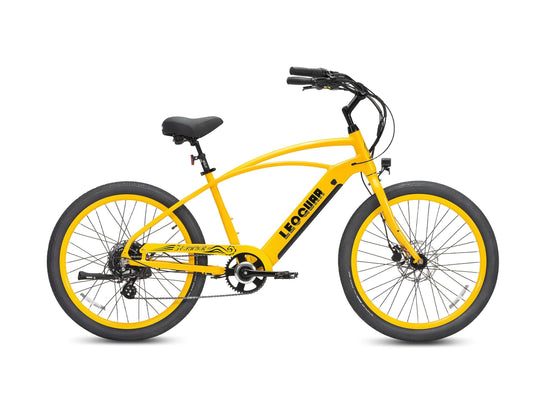


How to Attach Electric Bike Rack to SUV: Make It Secure in 10 Minutes
Your Adventure Awaits
Your SUV is packed. The trail is calling, and the only thing standing between you and your next adventure is attaching the electric bike rack. We understand you want this process to be fast, simple, and above all, secure. Attaching a bike rack to an SUV correctly is the single most important step for protecting your vehicle, your valuable bikes, and ensuring the safety of everyone on the road. This guide will give you the expert knowledge to get it done right. You'll have total peace of mind in under 10 minutes.
Pre-Installation Safety Check
Before you even touch the rack, spend five minutes on a pre-installation check. This crucial step prevents the most common installation failures, saving you from frustration, potential damage, and the headache of discovering a problem midway through. Think of it as a pre-flight checklist for your gear. Smart riders always check their equipment first.
Check Your SUV's Hitch: First, identify your hitch receiver size. Most SUVs use either a 1.25-inch or a 2-inch receiver, and this information is critical. Next, find your hitch's tongue weight capacity. Tongue weight is the maximum vertical weight your hitch can safely support, and it must account for the weight of the rack plus the total weight of your bikes. This is usually listed on a sticker on the hitch receiver itself or in your vehicle's owner's manual. As a reference, Class III hitches, which use a 2-inch receiver and are common on SUVs, typically support 500-800 lbs. Never exceed this limit.
Check Your Bike Rack's Specs: Confirm that the rack's mounting bar matches your SUV's hitch receiver size. Then, verify the rack's maximum weight capacity. This number is different from the tongue weight and tells you the total weight of the bikes it's designed to carry.
Check Your Bike's Weight: Know the exact weight of each electric bike rack you plan to transport. This is especially important if you own a heavy electric bike, which can often weigh 50-70 lbs or more. Add up the total weight of your ebikes and ensure the sum is well below the rack's stated capacity.
Lay Out All Parts: Open the box and lay out every component. Cross-reference the parts with the manufacturer's manual to ensure every pin, bolt, tool, and key is present and accounted for. There's nothing worse than discovering a missing hitch pin when you're ready to install.

Know Your Gear
While several types of bike racks exist, the hitch-mounted rack is the best choice for SUVs. Its design perfectly complements the strength and utility of your vehicle, especially when carrying multiple bikes or a heavy electric bike. Understanding the alternatives clarifies why the hitch rack is your SUV's best friend.
| Rack Type | Best For | Pros | Cons for SUVs |
|---|---|---|---|
| Hitch Mount | SUVs, heavy e-bikes, frequent use | High weight capacity, very stable, easy to load, no contact with car paint. | Requires a hitch receiver. |
| Trunk Mount | Sedans, occasional use, budget-conscious | Inexpensive, no hitch needed. | Lower weight limit, can scratch paint, may obstruct rear view/wiper. |
| Roof Mount | Lighter bikes, keeping hitch free | Unobstructed rear access. | Difficult to load heavy bikes, increases vehicle height, affects fuel economy. |
For an SUV owner, the stability, high weight capacity, and ease of loading offered by a hitch rack are unmatched. It keeps your bikes away from your vehicle's paint and provides the most secure foundation for transport.
The 10-Minute Installation
With your pre-check complete, you're ready for the main event. This step-by-step process is designed to be clear and efficient. For heavier racks, having a second person to help with the initial lift can make the process even smoother.
Clean the Hitch Receiver: Take a moment to wipe the inside of your SUV's hitch receiver with a cloth. Removing any dirt, grime, or surface rust will ensure a clean, snug fit and make both installation and removal easier in the future.
Align and Insert the Rack: Lift the electric bike rack rack by its main mounting bar, often called the shank. Carefully align it with the hitch receiver opening on your SUV and slide it in smoothly. You should feel it slide in without resistance. If you feel resistance, don't force it-pull it out, check for obstructions, and try again. It's helpful to jiggle it slightly as you push to ensure it seats completely.
Secure the Hitch Pin: Once the rack is fully inserted, the hole in the rack's shank will align with the hole in the hitch receiver. Slide the provided hitch pin all the way through both holes to physically connect the rack to your vehicle. Secure the end of the pin with the included cotter pin, clip, or a threaded lock, depending on your model. Give the pin a tug to ensure it's locked in place.
Engage the Anti-Wobble Device: This is the most important step for a quiet and secure ride. Most modern hitch racks have a built-in anti-wobble mechanism, usually a knob you turn or a bolt you tighten to eliminate play and prevent the rack from rattling. Tighten it firmly. According to automotive testing experts, a properly engaged anti-wobble system is what separates a premium experience from a nerve-wracking one. For bolt-style systems, most manufacturers recommend tightening to a specific torque, often around 75 ft-lbs. If you have a torque wrench, this is the perfect time to use it for ultimate security.
Unfold the Rack and Prepare: With the rack securely attached to the SUV, follow the manufacturer's instructions to unfold the main mast, support arms, or wheel trays. Your rack is now ready for your bikes.
Pro Tips for a Solid Ride
The manual gets you installed, but expert experience gets you on the road with total confidence. These final checks address the number one fear of every cyclist: a wobbly or insecure rack.
Perform "The Wobble Test": This is your definitive, non-negotiable final check. Grab the main vertical post of the rack firmly with both hands and try to shake it side-to-side and up-and-down with significant force. The rack and the vehicle should move as one single unit. If the rack moves or clunks independently inside the hitch, your anti-wobble device is not tight enough-go back and tighten it further, then perform the test again. Do not drive until this is resolved. A solid connection here means a silent, stress-free drive.
Loading Your Bikes the Right Way: Proper loading distributes weight correctly and prevents bike-on-bike damage.
- Heaviest Bike First: Always load the heaviest bike onto the position closest to the SUV to minimize leverage on the hitch and provide the most stable ride. This is especially critical when transporting an electric bike.
- Alternate Directions: To prevent handlebars and pedals from clashing, load bikes in alternating directions. For example, first bike facing left, second bike facing right.
- Secure All Contact Points: After loading, go back and double-check every point of contact to ensure all frame clamps, wheel straps, and anti-sway cradles are cinched down tightly. The bikes should not be able to sway or move in their mounts.
The First 10 Miles Rule: Road vibrations can sometimes cause things to settle. After your first 10-15 minutes of driving, find a safe place to pull over and quickly perform another wobble test on the rack and re-check all the straps and clamps on your bikes. This quick stop provides a final layer of assurance for the rest of your journey.
The E-Bike Factor
Transporting a heavy and valuable electric bike requires special attention. An electric bike rack is built differently for a reason, and following these key guidelines is essential for safety.
Weight is Everything: We can't stress this enough-re-confirm that your SUV's tongue weight and your rack's total capacity can handle the combined weight of the rack and your e-bike(s). Rigorous tests of bike racks show that exceeding weight capacity is the top cause of catastrophic failure. An e-bike specific rack isn't just a recommendation; it's a necessity built with stronger materials and higher load ratings.
Use the Ramp: If your electric bike rack includes a loading ramp, use it every time. It's not just a convenience feature but a critical tool to prevent back injuries from lifting a 70-pound bike and to avoid accidentally dropping and damaging your bike, your rack, or your SUV.
Protect the Frame: The best racks for e-bikes are platform-style models that secure the bike by its wheels, not the frame. These "no-frame-contact" racks avoid putting clamping pressure on sensitive frame tubes that may contain batteries and wiring and are also the best choice for carbon fiber frames.
Remove the Battery: Before loading your e-bike, always remove the battery to instantly reduce the lifting weight by 8-15 lbs, making the bike much easier to handle. It also lowers the bike's center of gravity on the rack and protects the battery's sensitive electronics from excessive road vibration during transit.

Hit the Road with Confidence
You've done it successfully. By following these steps, you have transformed what can be an intimidating task into a simple, repeatable process that gets easier every time. A secure bike rack is the foundation of every great road trip and cycling adventure, giving you the freedom to explore new trails and destinations. Remembering the core principles-Check your gear, Install it correctly, and Test your work-ensures that your focus can be where it belongs: on the road ahead and the trails that await. Now, load up and hit the road with the confidence that your gear is safe, secure, and ready for anything.
Frequently Asked Questions
Q: How do I know if my SUV can handle a bike rack?
A: Check your SUV's hitch receiver size and tongue weight capacity, which you can find on a sticker near the hitch or in your owner's manual. Most SUVs with Class III hitches can safely handle 500-800 lbs of tongue weight, which is enough for most bike racks and multiple bikes.
Q: What's the difference between a regular bike rack and an electric bike rack?
A: Electric bike racks are built with stronger materials and higher weight capacities to handle e-bikes that can weigh 50-70 lbs or more. They often include features like loading ramps and platform-style designs that secure bikes by their wheels rather than clamping the frame, which protects sensitive battery and wiring components.
Q: How tight should I make the anti-wobble device?
A: Tighten the anti-wobble device firmly until there's no play between the rack and hitch receiver. Most manufacturers recommend around 75 ft-lbs of torque for bolt-style systems. The rack should not move independently when you perform the wobble test - it should move as one unit with your vehicle.
Q: Can I leave my bike rack attached to my SUV all the time?
A: While you can leave it attached, it's better to remove it when not in use to prevent theft, reduce wind noise, and avoid unnecessary wear on your hitch. Most hitch-mounted racks are designed for easy removal and installation, taking just a few minutes each time.
Q: What should I do if my bikes are hitting each other on the rack?
A: Load bikes in alternating directions (first bike facing left, second facing right) to prevent handlebars and pedals from clashing. You can also adjust the spacing between bike positions if your rack allows it, or consider using additional padding or bike-specific accessories to create more separation.



Leave a comment